

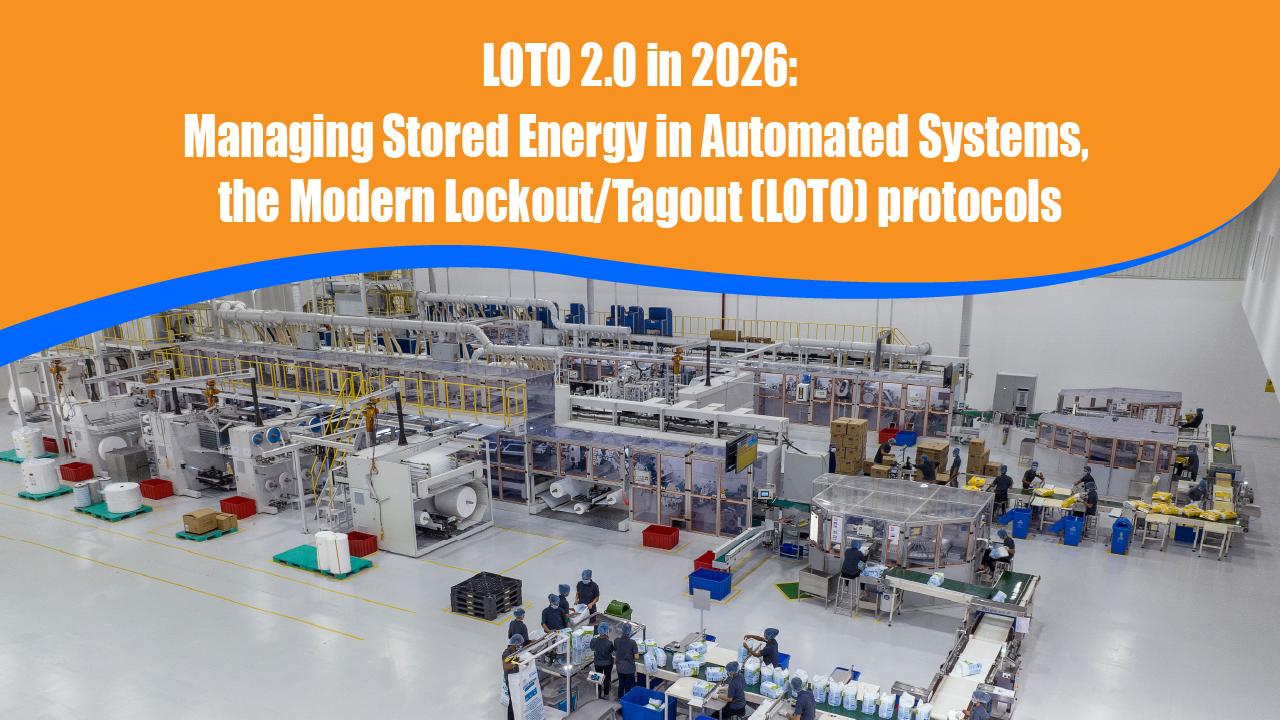
Industrial safety is entering a new phase. As manufacturing systems become more automated, software driven, and energy intensive, traditional safety protocols are no longer enough. This shift has led to the emergence of LOTO 2.0 modern Lockout/Tagout systems designed for complex, automated environments where risks are not always visible.
In industries like disposable hygiene manufacturing, including high-speed diaper production lines, machines now operate using pneumatic pressure, servo motors, compressed air, and software-controlled logic systems. These systems store energy even after shutdown, creating hidden hazards.
Managing this stored energy in automated systems has become one of the most critical safety challenges for global manufacturers in 2026.
What Is LOTO 2.0?
Traditional Lockout/Tagout (LOTO) focuses on isolating energy sources before maintenance or servicing. However, modern production environments require a more advanced approach.
LOTO 2.0 refers to enhanced safety protocols that address; stored mechanical energy, residual pneumatic pressure, electrical charge in control systems, and software triggered machine movements. Unlike conventional systems, LOTO 2.0 integrates digital verification, sensor-based isolation, automated shutdown validation, and real-time monitoring.
This ensures that machines are not just turned off but fully de-energized and safe for human interaction.
What are the Core Components of LOTO 2.0?
1. Multi Energy Isolation Systems:
Modern machines require simultaneous isolation of; Electrical supply, Pneumatic lines, and Mechanical motion systems.
LOTO 2.0 ensures complete energy isolation across all sources, not just primary power.
2. Stored Energy Dissipation Protocols:
A critical advancement in LOTO 2.0 is the controlled release of stored energy.
This includes; Automatic venting of compressed air, Discharge of capacitors, and Mechanical relaxation of tension systems. Machines are only considered safe once all residual energy is neutralized.
3. Digital Lockout Systems:
Traditional padlocks are now being replaced or supported by:
- Digital lockout interfaces
- Access controlled machine states
- Software based authorization systems
These systems prevent unauthorized re-start and ensure traceability of lockout actions.
4. Sensor Based Verification:
The LOTO 2.0 systems use sensors to confirm: Zero pressure in pneumatic lines, No electrical charge remaining, and No movement in mechanical components.
This removes reliance on human judgment and introduces data driven safety validation.
5. Software Interlock Integration:
Machines today operate on programmable logic controllers (PLCs) and automated sequences.
LOTO 2.0 integrates with these systems to Disable automated restart sequences, Block remote activation and ensure safe maintenance modes. This is critical in preventing unexpected machine behavior.
The Hidden Risk: Stored Energy in Automated Systems
In modern manufacturing, just shutting off a machine does not eliminate risk.
Energies are stored in different forms some common forms include:
- Pneumatic energy trapped in compressed air systems
- Hydraulic pressure in actuators
- Mechanical tension in rollers and belts
- Electrical charge in capacitors and control circuits
- Software triggered movement from automated sequences
In diaper manufacturing lines, for example, compressed air systems used for bonding, cutting, and positioning can retain pressure even after shutdown, posing serious risks during maintenance. Without proper protocols, this stored energy can release suddenly leading to equipment damage or severe injury.
Why Traditional LOTO Falls Short in 2026? Legacy LOTO systems were designed for simpler machines with clearly identifiable energy sources. However, modern systems Operate across multiple energy layers, use interconnected software logic and Restart automatically based on programmed triggers which creates three major gaps like invisible energy source, delayed energy release, and software driven reactivation risks. LOTO 2.0 addresses these gaps through system level safety integration, rather than isolated lockout procedures.
LOTO 2.0 in Personal Care and Diaper Manufacturing
In high-speed hygiene production lines, LOTO 2.0 is becoming standard practice.
Some of the key applications include:
- Isolating pneumatic systems in elastic application units
- Disabling servo driven rollers during maintenance
- Ensuring safe access to cutting and bonding sections
- Preventing software triggered restart during inspections
Given the speed and complexity of these machines, LOTO 2.0 is essential for both safety and operational continuity.
Global Compliance and Safety Standards
Manufacturers worldwide are aligning with stricter safety expectations.
LOTO 2.0 supports compliance with:
- OSHA (Occupational Safety and Health Administration)
- ISO 45001 (Occupational Health and Safety)
- CE Machinery Directive (Europe)
These frameworks increasingly emphasize complete energy isolation, risk elimination at source, and system level safety engineering.
Business Impact: Beyond Compliance
LOTO 2.0 is not just a safety upgrade, it is a strategic operational advantage. Adopting this modern system could reduce workplace incidents, lower downtime and maintenance risk, improve audit readiness, boost the workers confidence and showcase a stronger brand credibility with national and international clients and partners for OEM manufacturers and contract producers.
In the coming years, machines will not only require lockout they could l self-diagnose and enforce safe states before human interaction. The future outlook of LOTO is moving towards; AI driven risk detection, Predictive maintenance safety, Fully automated lockout validation, and Integration with digital twin environments.
As manufacturing systems grow more complex, safety must evolve alongside them.
LOTO 2.0 represents the next generation of industrial safety, addressing the hidden risks of stored energy in automated systems.
For global manufacturers, especially high-speed hygiene production, adopting modern lockout/tagout protocols is becoming essential. By combining engineering, automation, and digital intelligence, LOTO 2.0 is redefining how industries protect their workforce while maintaining operational excellence.
Frequently Asked Questions (FAQs)
1. What is LOTO 2.0 in manufacturing?
LOTO 2.0 refers to advanced lockout/tagout systems designed for automated environments, ensuring complete isolation and dissipation of all energy sources, including stored energy.
2. What is stored energy in automated systems?
Stored energy includes residual pneumatic pressure, electrical charge, mechanical tension, or software triggered motion that remains even after a machine is powered off.
3. Why is stored energy dangerous?
Stored energy can release unexpectedly during maintenance, causing sudden machine movement or pressure discharge, leading to serious injuries.
4. How does LOTO 2.0 improve safety?
It uses sensors, automation, and software integration to ensure machines are fully de energized and cannot restart unexpectedly.
5. What industries require LOTO 2.0?
Industries with automated systems such as hygiene manufacturing, automotive, pharmaceuticals, and packaging benefit significantly from LOTO 2.0.
6. How is LOTO 2.0 different from traditional LOTO?
Traditional LOTO focuses on basic power isolation, while LOTO 2.0 addresses multiple energy sources, stored energy, and software driven risks.
7. Can LOTO 2.0 be implemented in existing plants?
Yes, many systems can be retrofitted with sensors, digital lockout systems, and updated safety protocols.
8. What is the role of software in LOTO 2.0?
Software ensures machines cannot restart automatically and integrates safety protocols into control systems.
Keep scrolling for fresh reads, here’s a quick peek at recent topics.